

Fisher
3144P
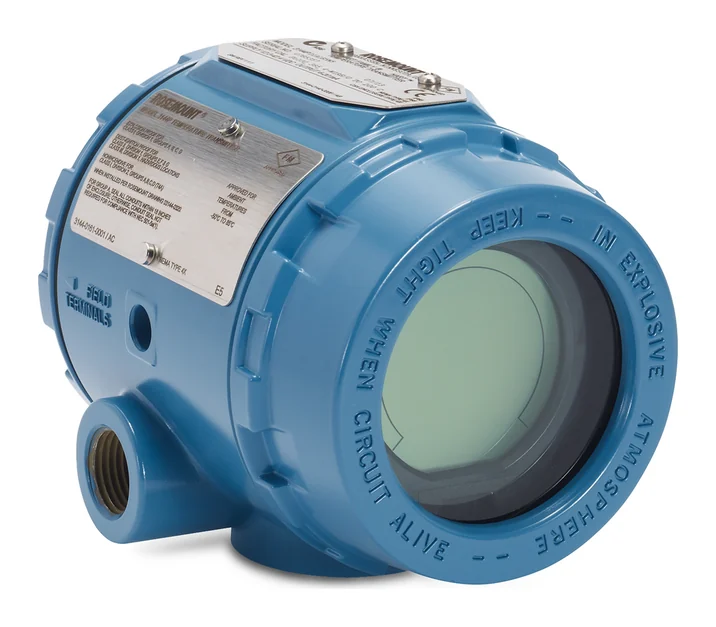
Rosemount 3144P temperature transmitter
Field mount, dual-compartment housing and high performance, for control and safety.
Temperature · Rosemount
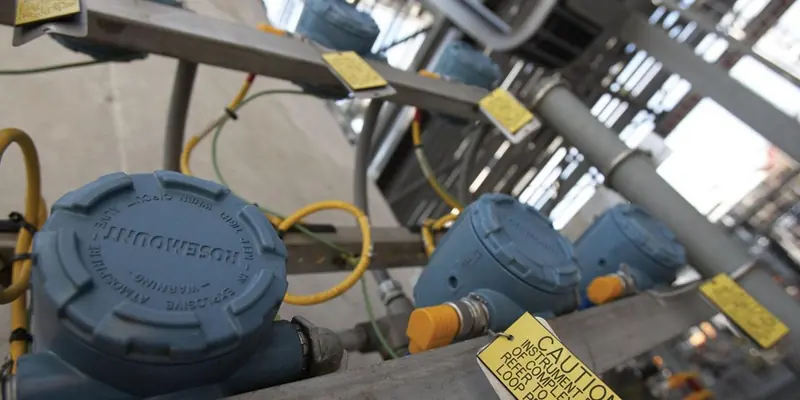
The link between the sensor and the control system: it conditions the signal, protects it from noise and warns when the sensor starts to fail.
A temperature transmitter is the intermediary between the sensor and the control system: it takes the signal from an RTD or a thermocouple and converts it into 4-20 mA, HART, WirelessHART or FOUNDATION Fieldbus, protected from electrical noise.
It is calibrated to the desired range and alerts if the process or the sensor departs from what is expected. The Rosemount line runs from the general-purpose 248 to the field-mount 3144P and 3144S, with the versatile 644 and the 848T for several measurements.
Models
Manufacturer reference models for this type. Tell us the exact model or attach the nameplate: scope and availability are confirmed with each quotation.
Fisher
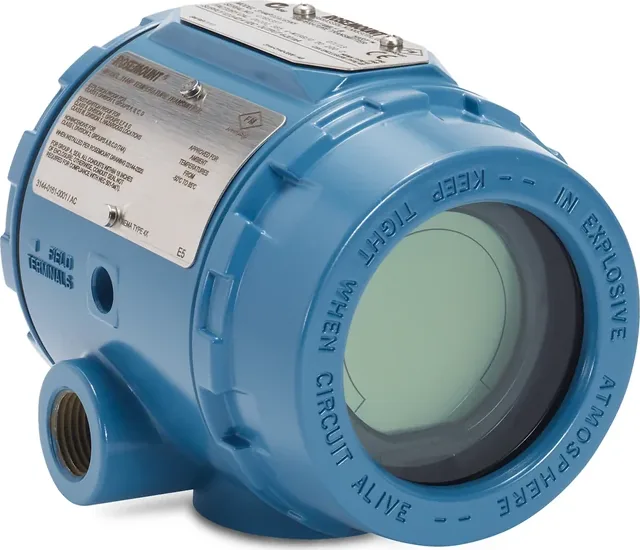
3144P
Field mount, dual-compartment housing and high performance, for control and safety.
Fisher
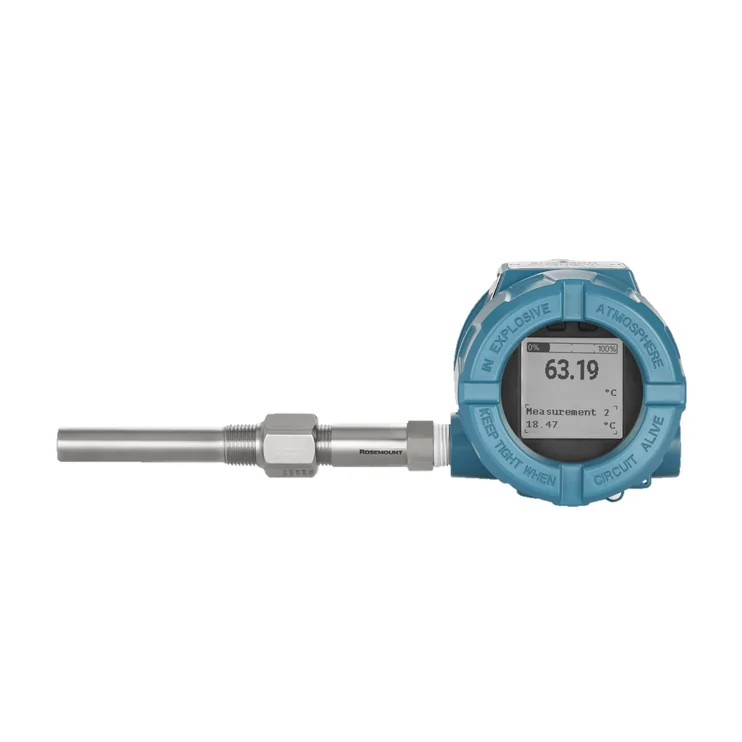
3144S
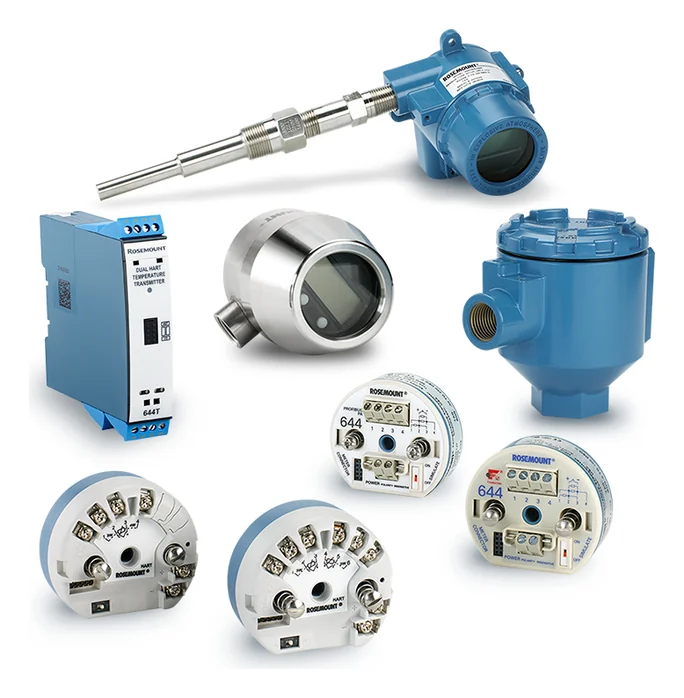
The latest generation: plug-and-play sensor configuration and a backlit graphical display.
Fisher
644
Versatile: head, field or rail mounting.
View bulletin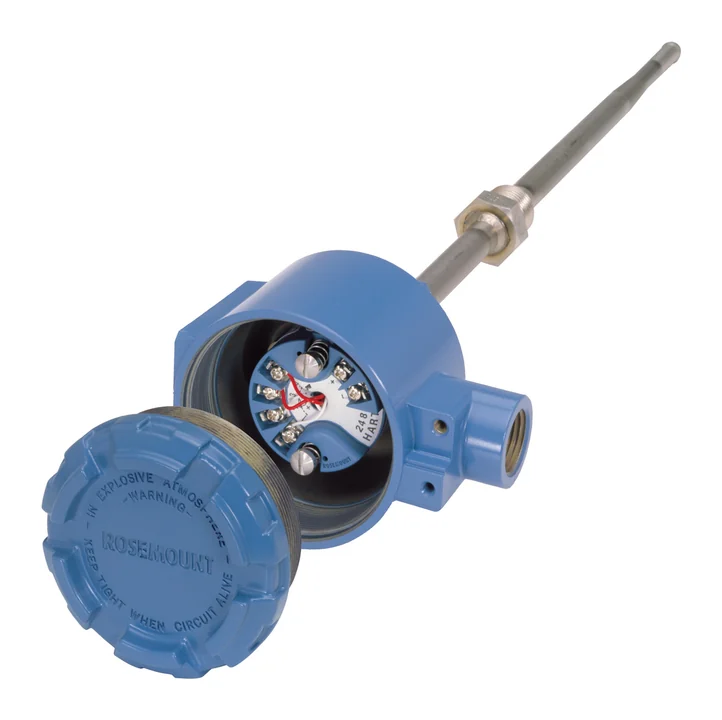
Fisher
248
For general-purpose applications, head or rail mounted.
Fisher
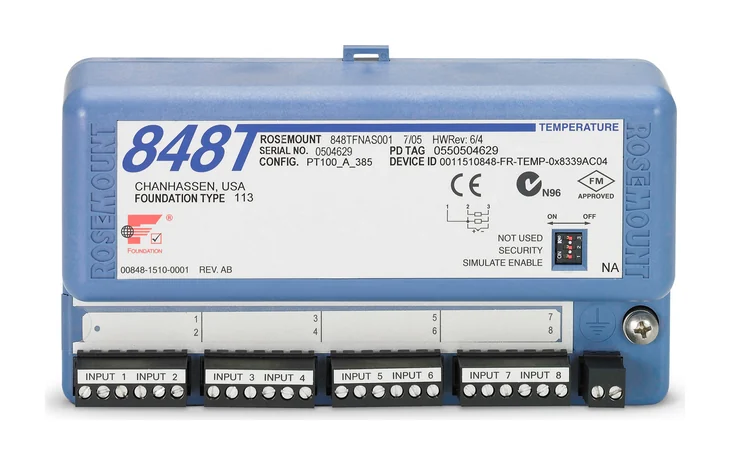
848T
Up to eight temperature measurements in one device, for profiles and grouped points.
Brand reference models per the manufacturer’s catalog. ITS quotes new valves and genuine parts to order; it does not publish stock or prices.
How it works
The electronics measure the resistance of the RTD or the voltage of the thermocouple, apply the sensor curve and compensate for installation effects. Matching to the Callendar-Van Dusen constants of a specific RTD tunes the transmitter to that sensor and improves the accuracy of the assembly.
Advanced diagnostics keep the measurement going in non-ideal conditions and anticipate failures: holdoff against false open-sensor events caused by transients, sensor drift alert, thermocouple degradation detection, automatic backup with a second sensor, event logs and minimum and maximum tracking.
A rugged housing installed next to the measurement point or remotely, with a local display. It is the choice for control and safety loops.
The transmitter sits inside the connection head of the sensor: a compact, economical measurement point.
For panels and cabinets, when the sensor signal is wired back to the control room.
A single device takes up to eight sensors and communicates them over a fieldbus or a wireless network.
Applications
ITS de Venezuela
We quote new Rosemount transmitters, alone or as an assembly with sensor and thermowell, configure and commission them in the field, calibrate them through our calibration service, in the field and in the laboratory, and integrate them into the control loop. We reply with availability in Venezuela or Orlando. To quote, send the sensor type, temperature range, mounting style, output signal, required approvals and whether you need a local display, or the nameplate model code.
Quote parts or repairPressure, temperature, flow and volume, in the field and in the laboratory.
On-site support, shutdowns, commissioning and start-up.
Loops, actuation, re-engineering and equipment upgrades.
Resources
The full category, the technical library and the manufacturer’s official documentation.
Category
Transmitters, RTD and thermocouple sensors, thermowells.
Technical library
Our own documents and official Fisher links for each family.
Manufacturer
Product pages, bulletins and manuals on emerson.com.
The transmitter converts a low-level signal, ohms or millivolts, into a 4-20 mA or digital signal that withstands noise and long distances. It also lets you set the range, match the sensor and diagnose its condition.
In the head, the transmitter sits inside the sensor connection head and the point stays compact. In the field, a rugged housing protects it and adds a local display. On a rail it is installed in a panel. The choice depends on the environment, access and how critical the loop is.
Temperature
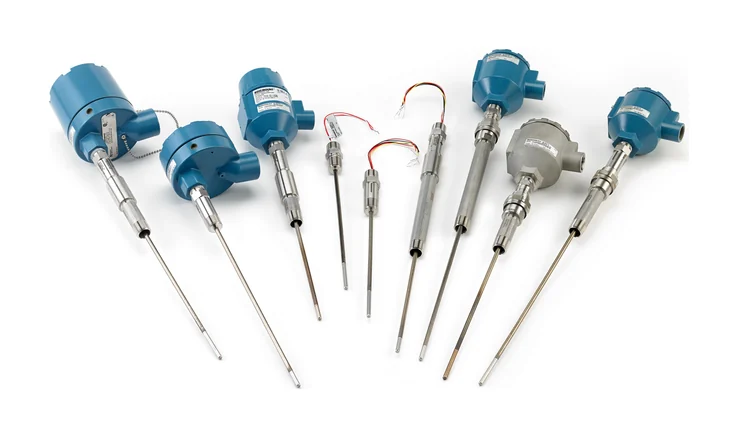
Platinum RTDs for accuracy and stability; thermocouples for high temperature, vibration and fast response.
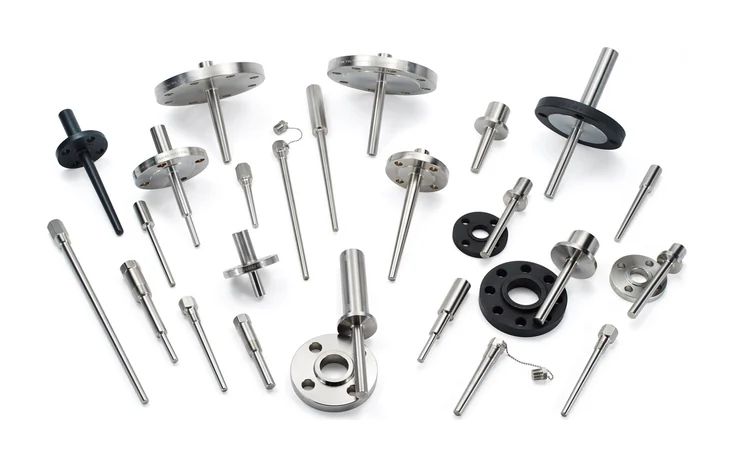
The well that protects the sensor from the process and lets it be removed without stopping the line, calculated against vibration.
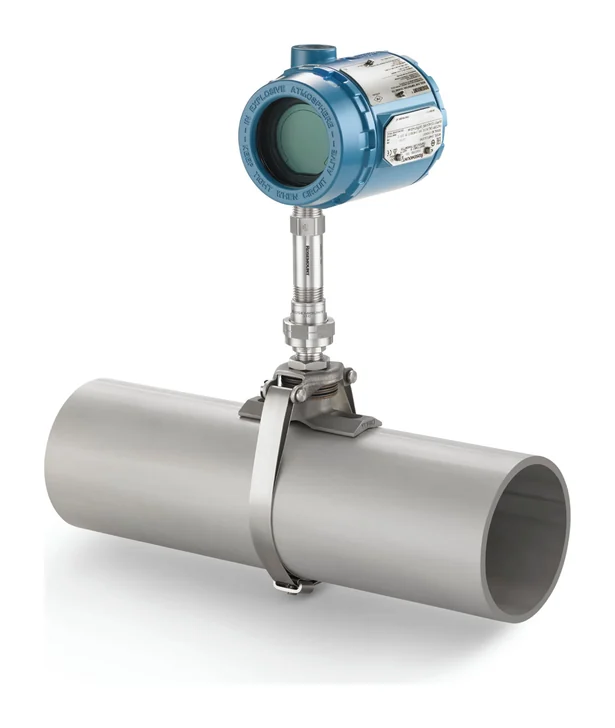
Process temperature with no thermowell and no penetration, and wireless transmission for points without cable.
Send the model, the part number or the process data. We reply with availability, lead time and delivery terms.