

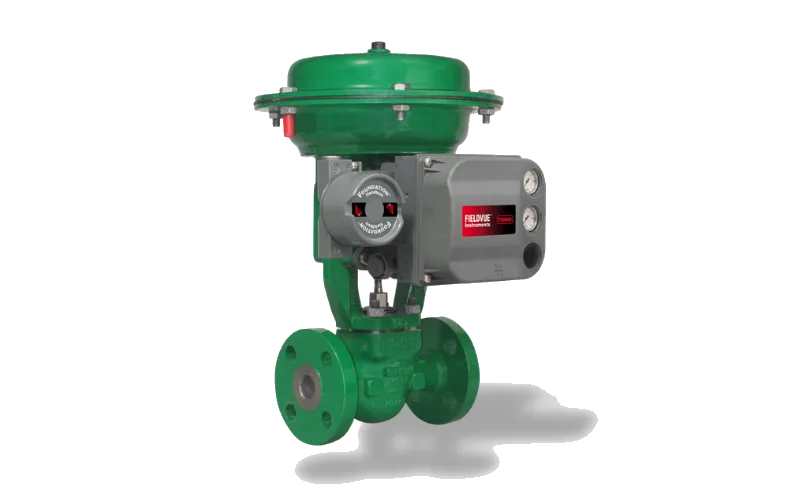
Fisher
GX
Fisher™ GX Control Valve and Actuator System
Integrated Fisher™ GX valve and actuator system for process control.
Check availability
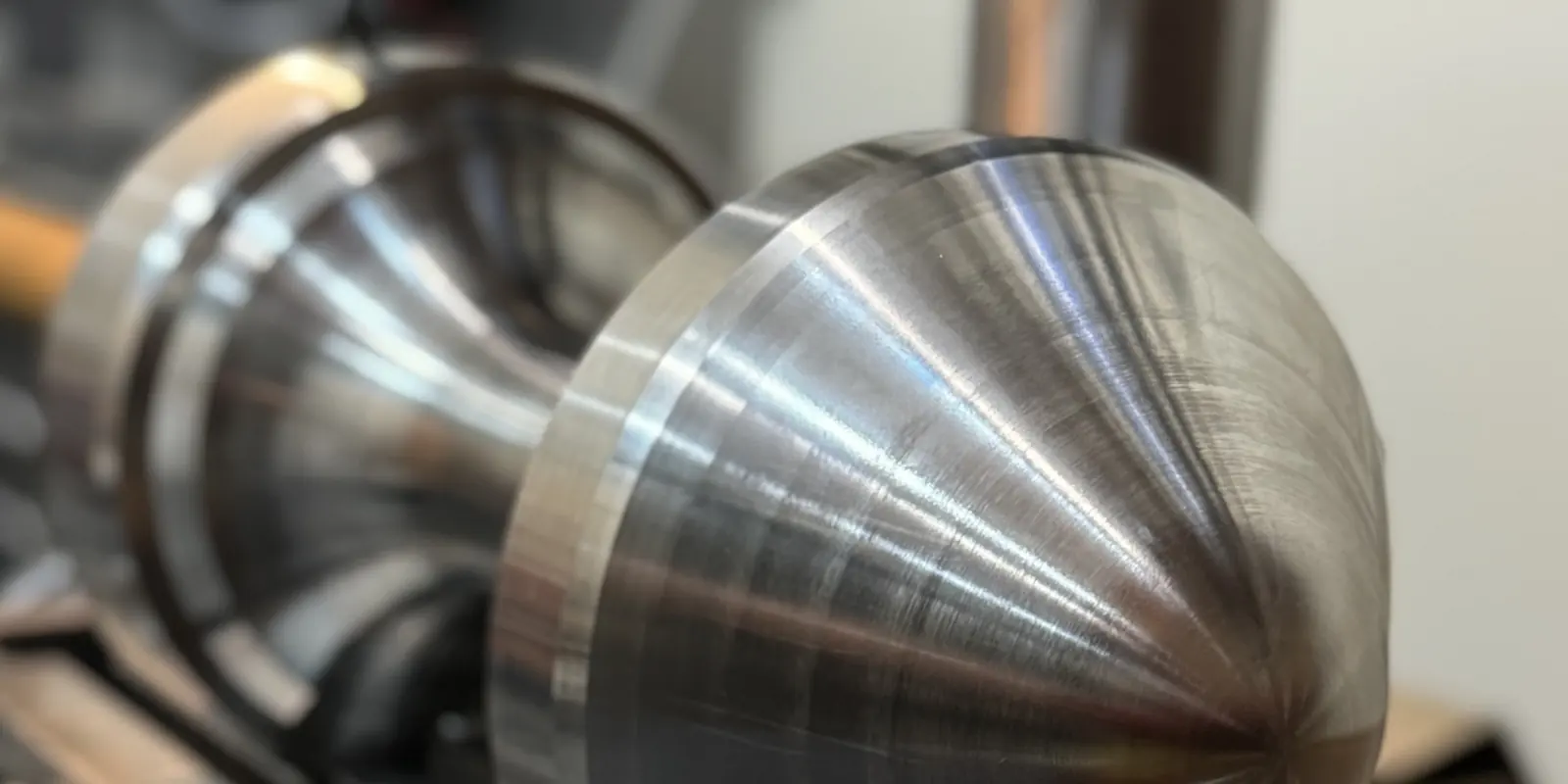
Recovering plugs, seats and cages is an engineering decision. Measure first; decide second.
Definition
Trim restoration
The trim is the set of control valve internals in contact with the fluid: plug, seat, cage and stem. It regulates the opening, sets the flow characteristic and determines the shutoff class.
Restoring a trim means returning those components to service condition within the manufacturer’s tolerances —by machining, surface reconstruction or adjustment— instead of replacing them with new parts. It is only valid when the part keeps its metallurgical integrity and its geometry allows it.
Also called internals reconstruction or valve component recovery.
When it applies
In short
Trim restoration recovers the internals of a control valve within the manufacturer’s tolerances when their material, geometry and the criticality of the service allow it. They are inspected and measured first; if a part is not recoverable, it is replaced with an OEM part.
The base material keeps its properties: no cracks, no intergranular corrosion and no loss of hardness in the sealing areas.
Wear leaves enough material to machine or rebuild without changing the profile that defines the flow characteristic.
Seat and guide diameters, concentricity and finish can return to the range the manufacturer requires.
The loop’s function allows a recovered component; a safety or critical-shutoff service may require a new part.
The trim material is known and the lead time of the genuine part justifies evaluating recovery.
What we do
If the part fails the evaluation, the process stops and the recommendation is an OEM part.
Cleaning and visual inspection of plug, seat, cage and stem; photographic record of the as-received condition.
Critical dimensions, concentricity, wear and finish of the sealing surfaces against the specification.
Material, geometry, tolerances and service criticality. Decision: recover or replace.
If not recoverable → OEM part
Approved components only: machining, surface reconstruction and adjustment to specification.
Reassembly and seat-leakage and travel tests of the complete valve.
Before-and-after measurements, documented engineering decision and test results.
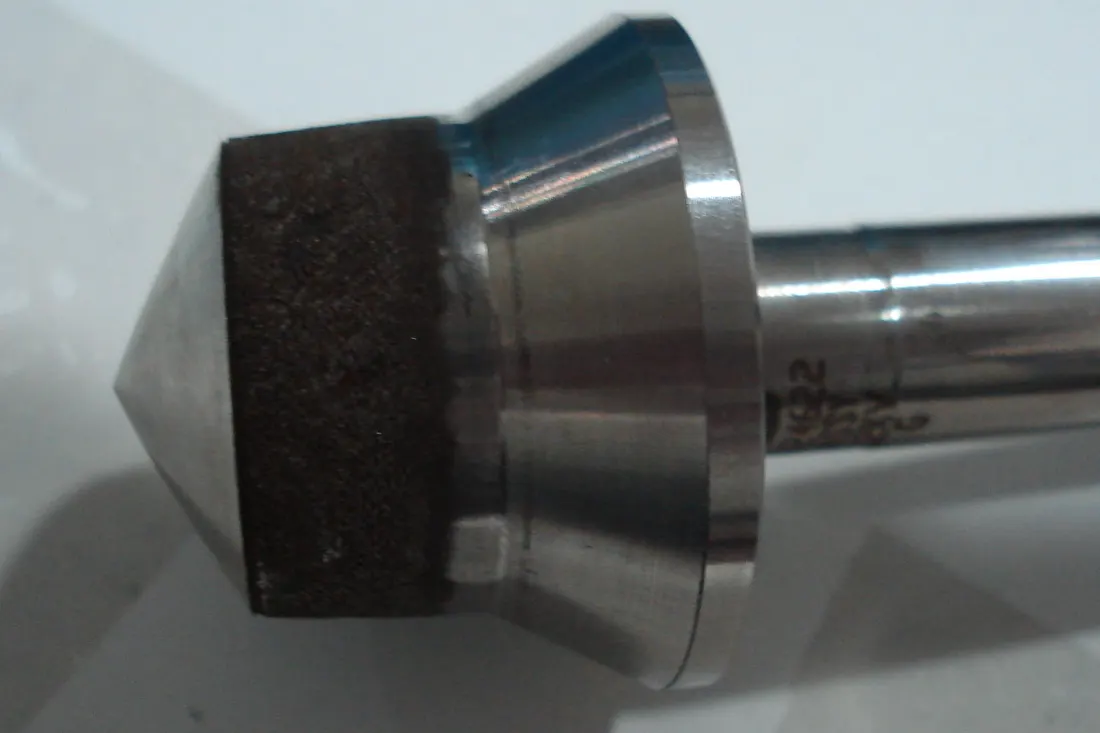
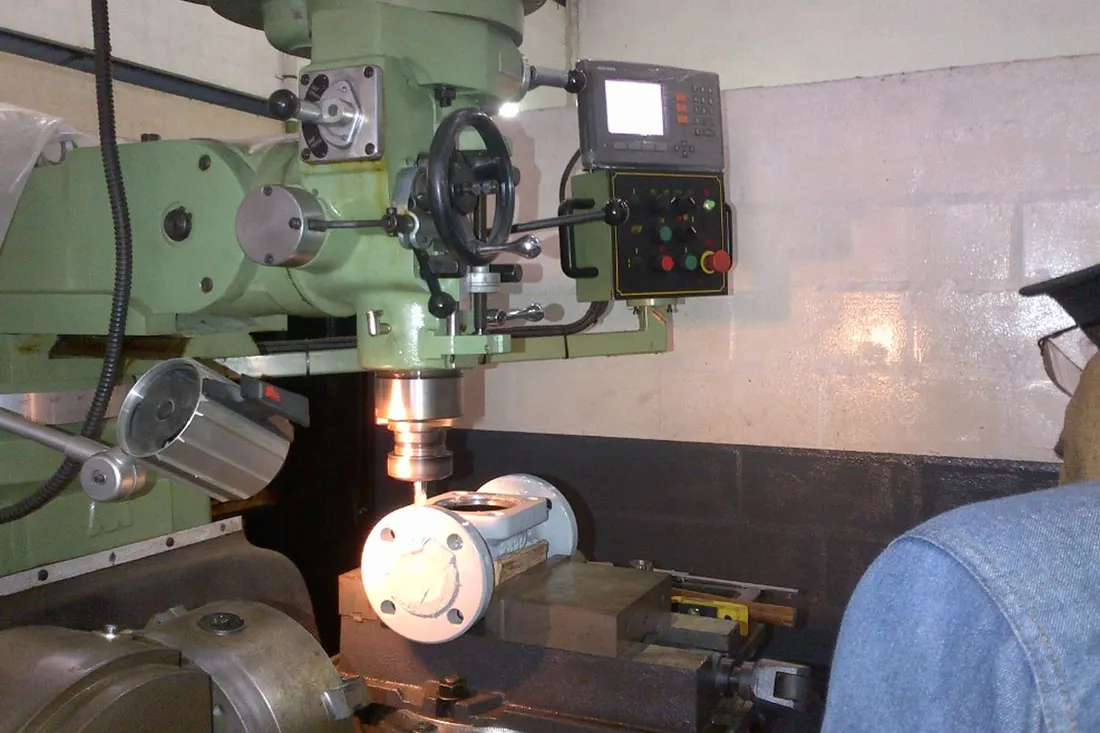
In the workshop
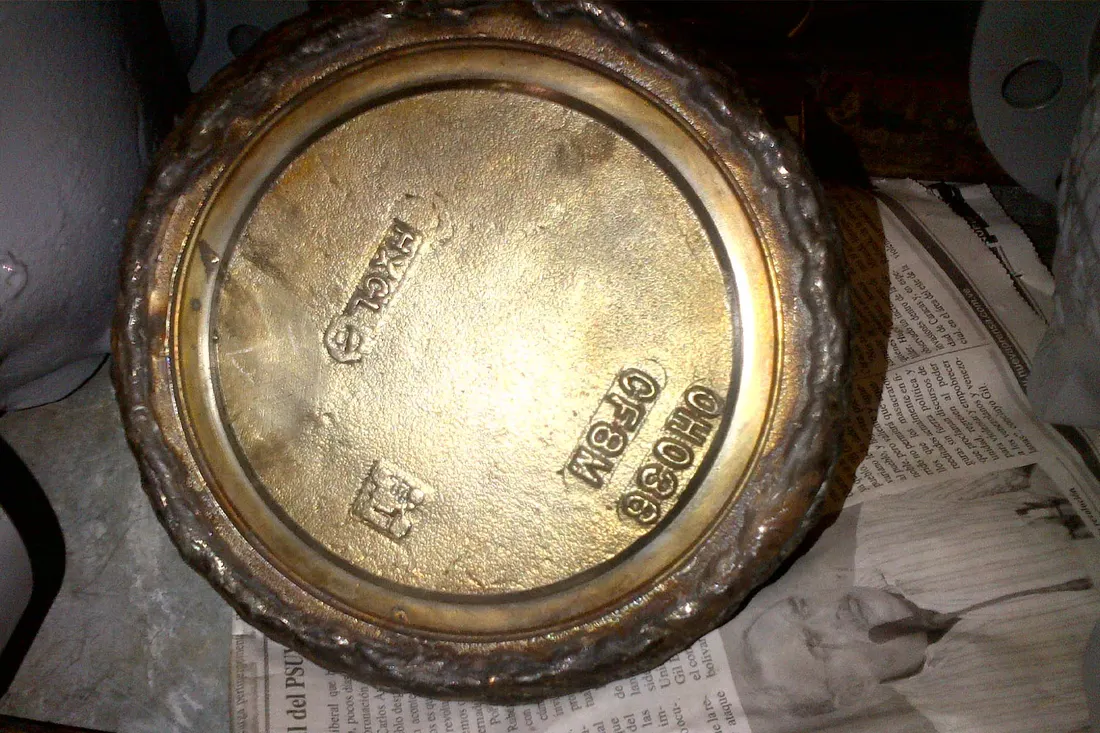
Benefits and limits
The benefits exist only if the part passes the evaluation. That is why they come with their condition.
Deliverables
With this information the quote is complete the first time.
When to replace
If the evaluation rules out recovery, the recommendation is the genuine Fisher part, identified by the nameplate serial number to keep the original factory configuration.
If the process has changed, replacement is the opportunity to review sizing and trim type, for example an anti-cavitation trim.
Related
Fisher
GX
Integrated Fisher™ GX valve and actuator system for process control.
Related categories
Cases and reading
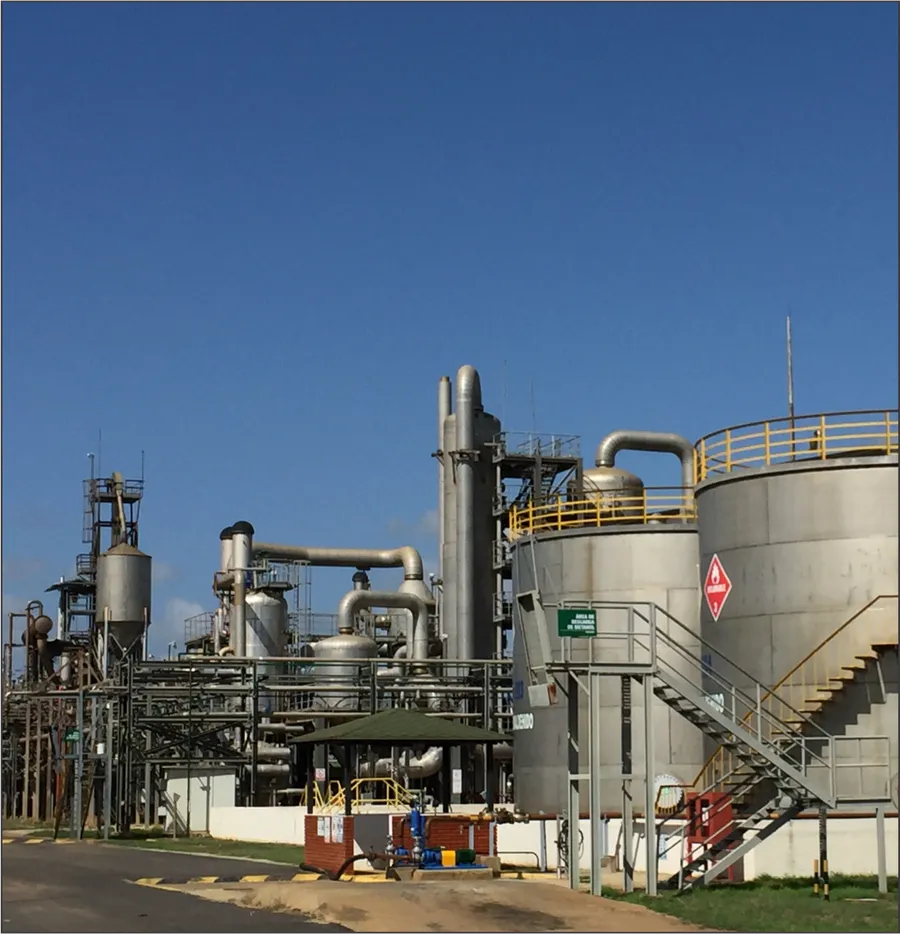
Service
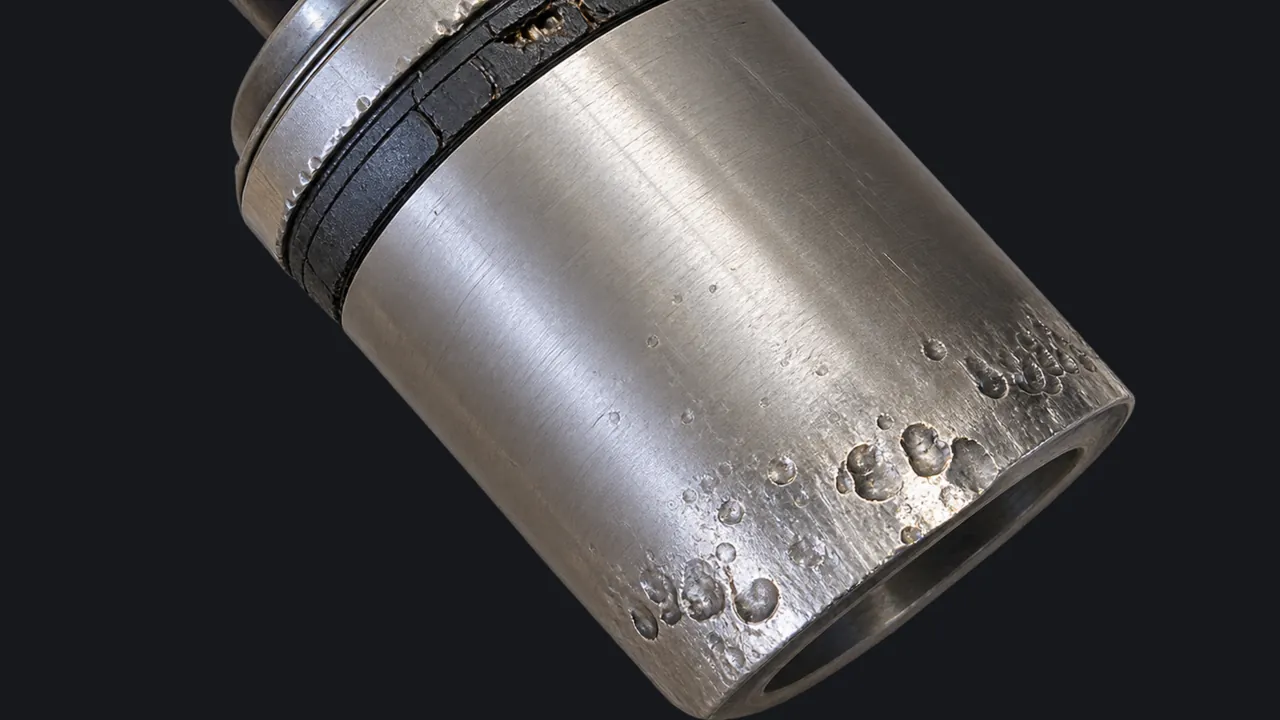
Cavitation reduces flow, damages components and causes noise and vibration. Understanding why it occurs is the first step to choosing the right trim and protecting the valve.
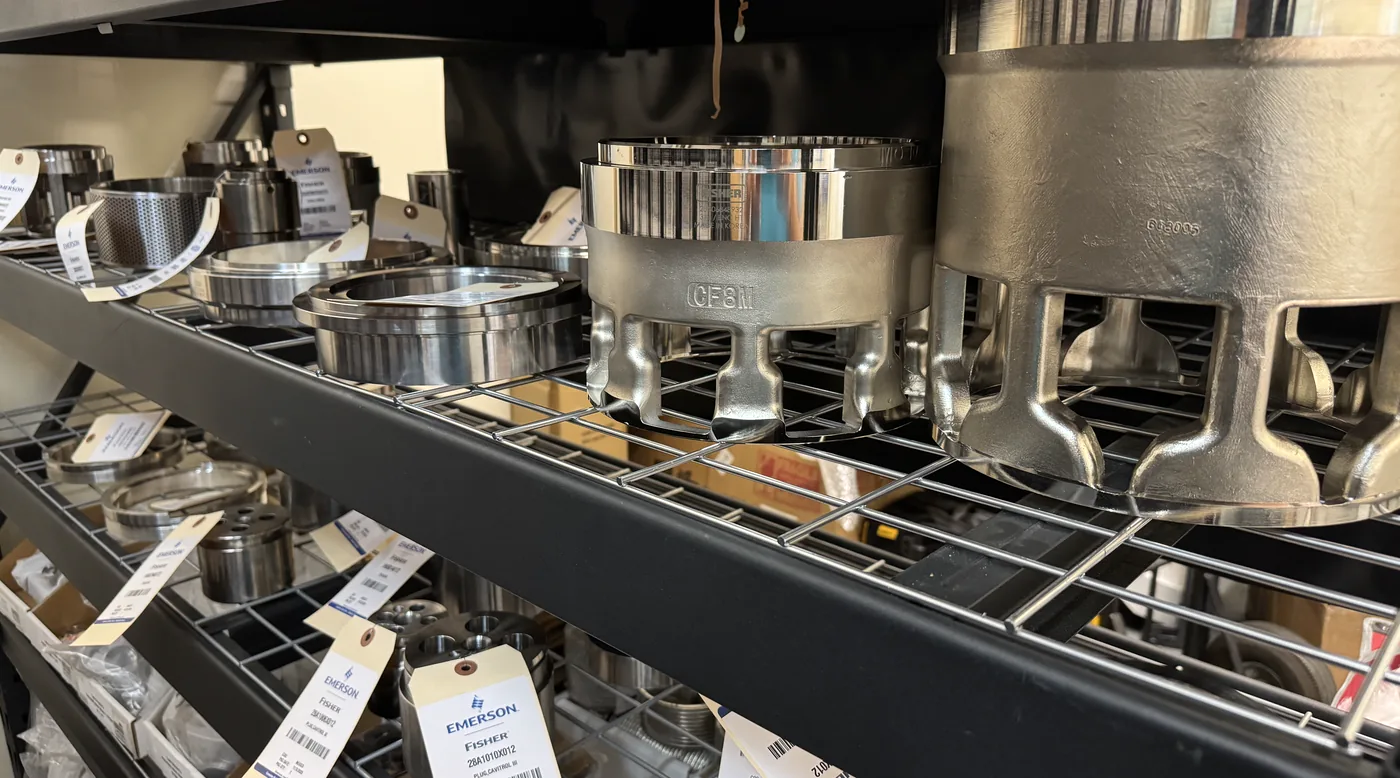
OEM parts
A non-genuine seat, plug or packing kit can look identical and cost less, but it changes valve behavior and process risk. This is what is at stake.
When it can no longer be recovered within the manufacturer’s tolerances or when the process requires a different configuration: wear or erosion beyond the recoverable thickness of plug, seat or cage; cavitation damage with loss of geometry; material corrosion; or flow changes that leave the original trim incorrectly sized.
Restoration is evaluated before replacement. The decision is an engineering one and depends on inspection, measurement, material, loop criticality and the availability of the genuine part. Not every trim can be recovered.
It is recovering the plug, seat or cage within the manufacturer’s tolerances instead of replacing them. It is viable when the material keeps its integrity, the geometry leaves margin to machine or rebuild, and the criticality of the service allows a recovered component.
It depends on the evaluation. If the part is recoverable and the genuine part’s lead time puts the shutdown at risk, restoration can be the better option. If the part does not comply, the process has changed or the service is critical, the right answer is the OEM part. Either way, the decision is documented in the report.
Genuine Fisher parts (OEM)
Genuine parts and kits identified by serial number, for B2B sales at factory prices with delivery in Venezuela.
Send photos of the plug, seat and cage, the valve nameplate and the service conditions. We will tell you whether it is worth evaluating.