

Coriolis flow meters
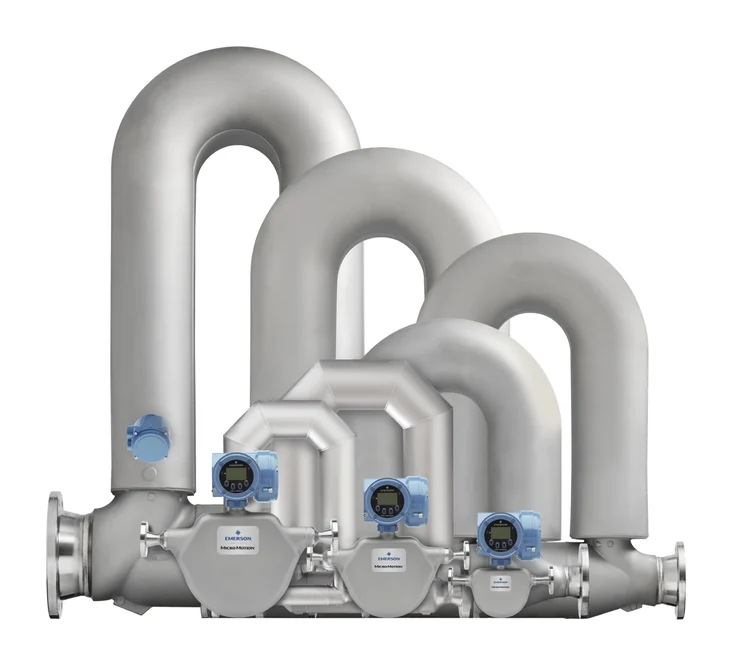
Coriolis flow meters. Direct mass flow, with density and temperature from the same device, for liquids, gases and slurries.
- ELITE
- F-Series
- R-Series
- H-Series
- T-Series
- 5700
Measurement · Flow
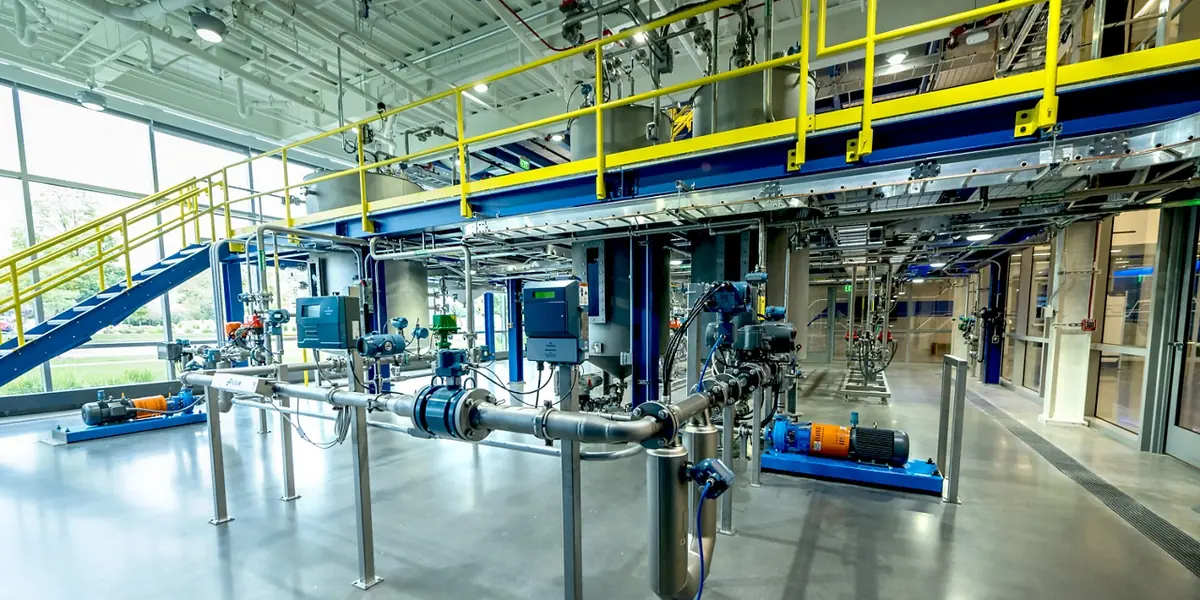
Coriolis, magnetic, vortex and differential pressure meters for process, dosing and custody transfer.
A Coriolis meter measures mass flow directly from the vibration of its tubes and also delivers density and temperature; it does not depend on flow profile and is the most accurate technology, which is why it is used for custody transfer and dosing.
Magnetic meters measure volume only in conductive liquids; ultrasonic meters measure velocity non-intrusively, with lower accuracy; turbine meters need frequent recalibration. Coriolis costs more and limits diameter.
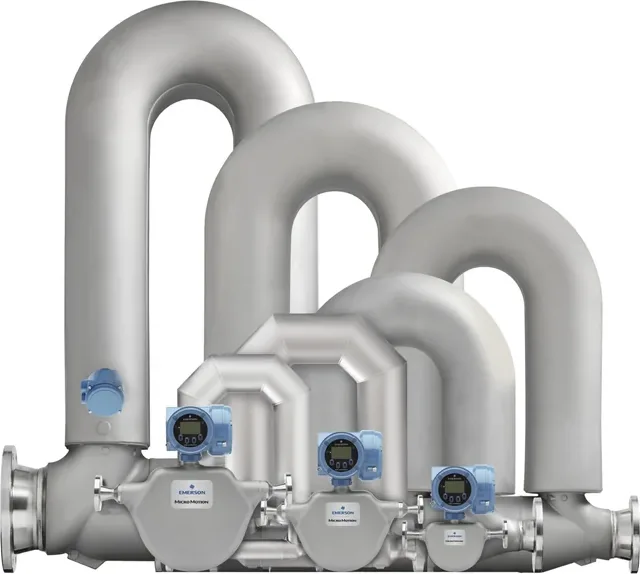
A technology for every fluid: mass, volume or differential pressure.
There is no universal flow meter. Coriolis measures mass directly; magnetic meters measure volume in conductive liquids without obstructing the line; vortex covers liquids, gases and steam with no moving parts, and differential pressure handles large line sizes and standardized services. Density and viscosity meters complete the picture when product quality is the variable.
Selection starts with the fluid and with what you need to know about it: mass or volume, required accuracy, line size, allowable pressure drop and available straight run.
A meter chosen out of habit, rather than for the fluid and the accuracy the loop demands, measures poorly from day one.
With the right technology for each service, the measurement holds between calibrations and the plant balance closes.
Coriolis flow meters. Direct mass flow, with density and temperature from the same device, for liquids, gases and slurries.
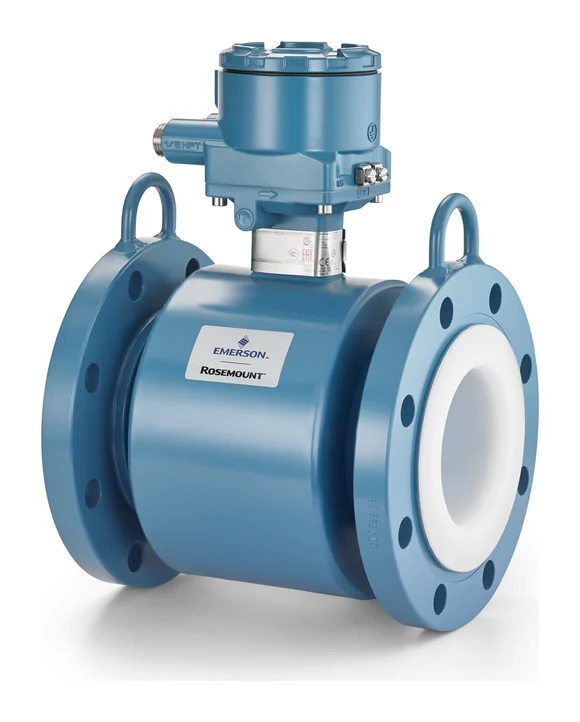
Magnetic flow meters. Volume flow in conductive liquids and slurries, with a full bore and no moving parts.
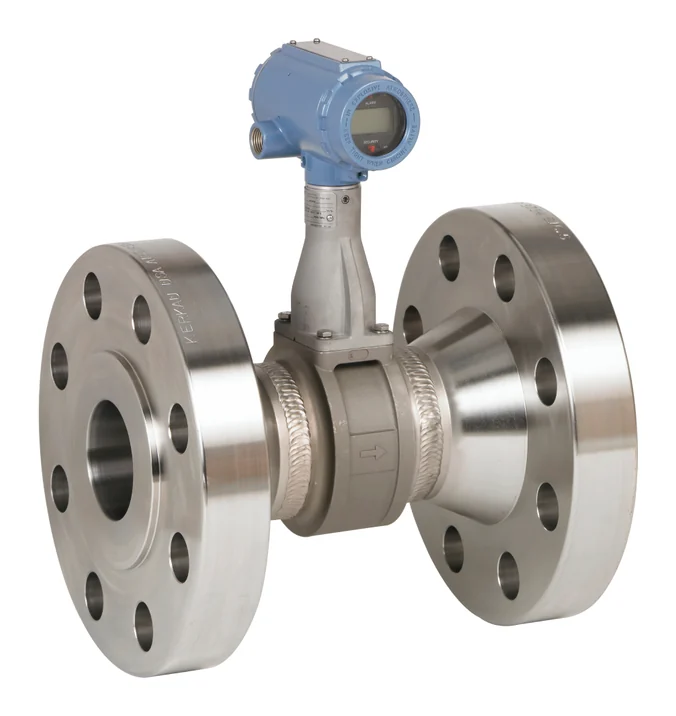
Vortex flow meters. One meter for liquids, gases and steam, with no moving parts and no impulse lines.
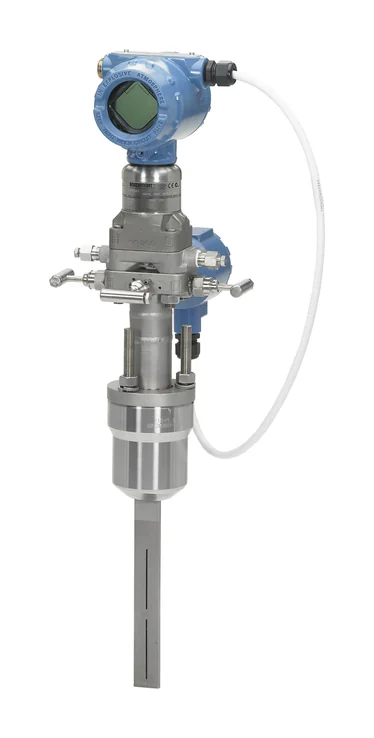
Differential pressure flow. Annubar, compact and integral orifice, and orifice plates: standardized measurement for gas, liquid and steam.
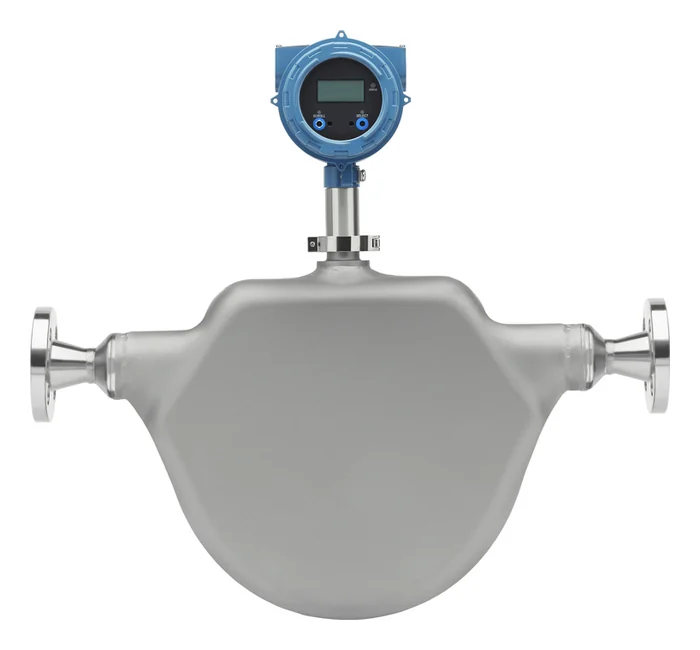
Density and viscosity. Density, concentration, specific gravity and viscosity measured in line, in real time.
Families
Coriolis meters for different flow ranges, accuracy and line sizes.
High-accuracy Coriolis meters for fiscal measurement and control.
Coriolis meters for general-purpose process applications.
Straight-tube meters, easy to drain and clean.
Meters for large flows and line sizes.
Reference families of the brand. Give the exact model in your request: scope and availability are confirmed with each quote.
Models
| Technology | Measures | Fluids | Pros | Limits |
|---|---|---|---|---|
| Coriolis | Mass, density and temperature | Liquids, gases, slurries | Highest accuracy; independent of flow profile | Cost; limited diameter |
| Magnetic | Volume | Conductive liquids only | No obstruction; economical | Not for hydrocarbons |
| Ultrasonic | Velocity | Liquids and gases | Non-intrusive; large diameters | Lower accuracy in demanding services |
| Turbine | Volume | Clean liquids, gases | Good accuracy in clean liquids | Moving parts; frequent recalibration |
Applications
Hydrocarbon measurement and custody transfer, dosing and blending, density and concentration measurement, and process control where mass —not volume— is the variable that matters.
Calibration
ITS de Venezuela calibrates these instruments in the field and in the laboratory, certified under ISO/IEC 17025:2017. Each instrument is returned with its calibration certificate.
See the calibration serviceCalibration scope
ISO/IEC 17025:2017
Brands
Service
What we do on this equipment in the shop and in the field.
Pressure, temperature, flow and volume, in the field and in the laboratory.
Configuration, diagnostics and commissioning of controllers and instruments.
On-site support, shutdowns, commissioning and start-up.
Coriolis measures mass directly, with density and temperature, and is the most accurate; magnetic meters measure volume in conductive liquids only; ultrasonic meters measure velocity non-intrusively, with lower accuracy; turbines need frequent recalibration. Coriolis costs more and limits diameter.
It measures mass directly. Volumetric flow is obtained by dividing mass flow by density, which the same meter measures.
Yes. Coriolis, turbine and ultrasonic hydrocarbon meters are calibrated through the ITS calibration service, in the field or in the laboratory and certified under ISO/IEC 17025:2017, in the 10 to 10,000 bbl/h range.
Give us the fluid, flow range, pressure, temperature, line size and required accuracy.
