

Fisher
i2P-100
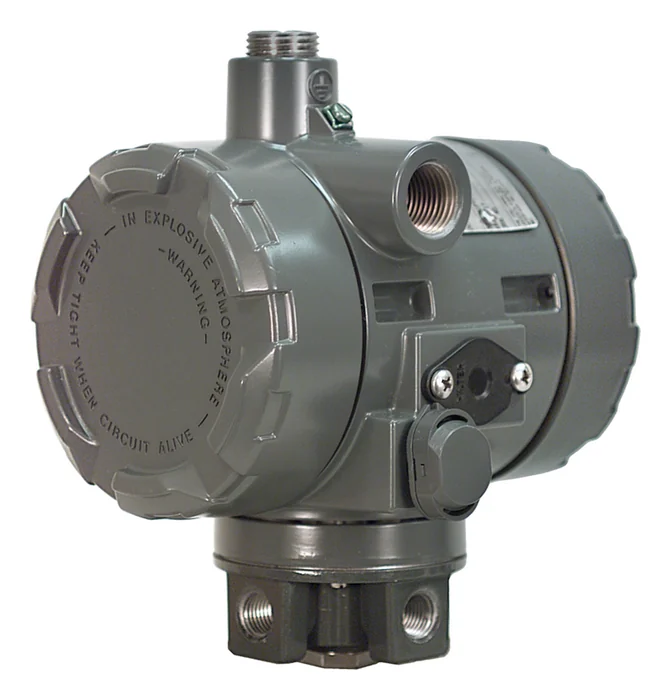
Fisher i2P-100 electro-pneumatic transducer
Suited to natural gas service, with good tolerance to dirty supply.
View bulletin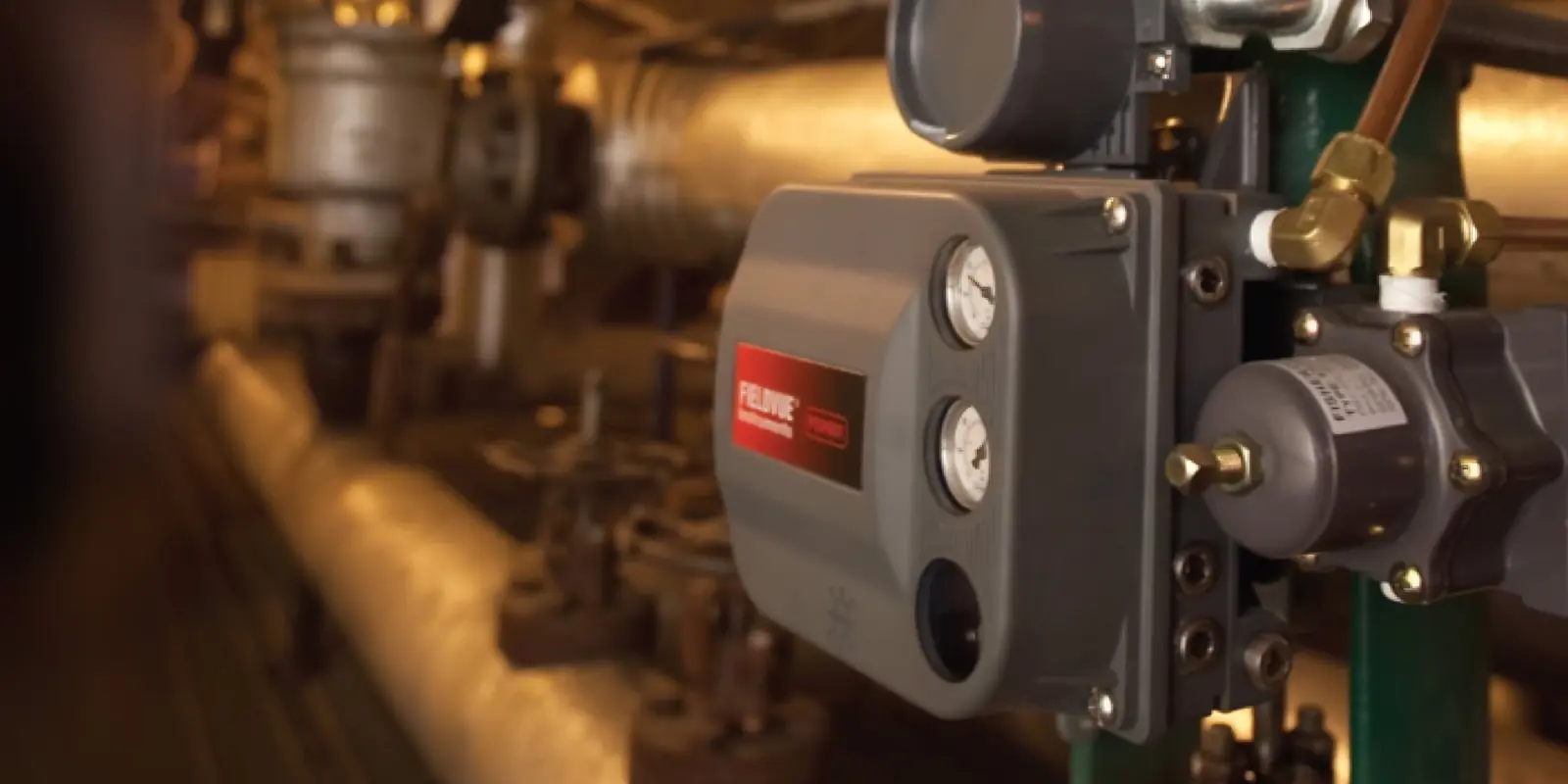
Positioners and instruments · Fisher
From current to pressure: the transducer translates the control system output into the language the pneumatic actuator and positioner understand.
An electro-pneumatic transducer, or I/P (current-to-pressure), converts a 4-20 mA input into a proportional pressure output. It is the link that lets an electronic control loop drive an air-operated valve.
Its integral pneumatic relay gives it the capacity to drive control valve assemblies without additional boosters or positioners, and it operates stably into small volumes. A transducer that drifts or leaks degrades control without it being obvious.
Models
Manufacturer reference models for this type. Tell us the exact model or attach the nameplate: scope and availability are confirmed with each quotation.
Fisher
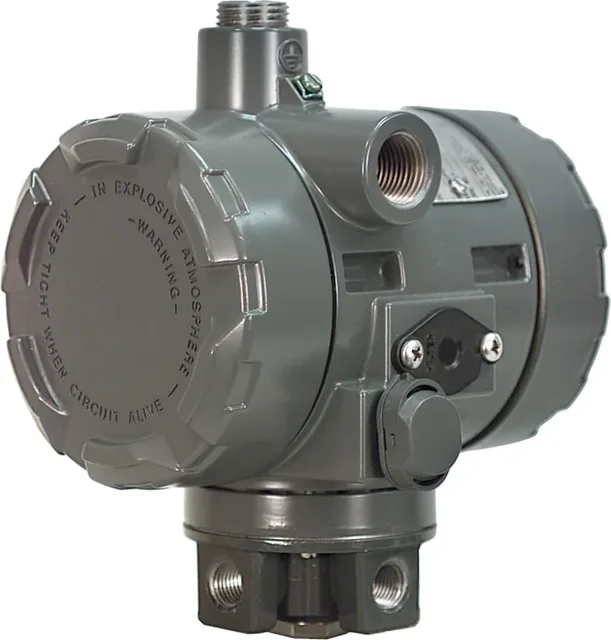
i2P-100
Suited to natural gas service, with good tolerance to dirty supply.
View bulletin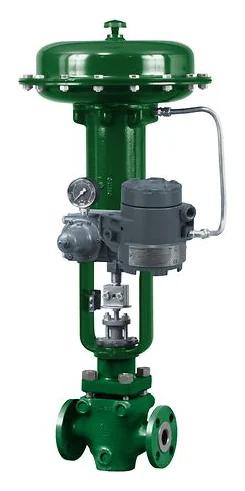
Fisher
846
Rugged, field-mountable, with electronic feedback that corrects for supply variations.
View bulletin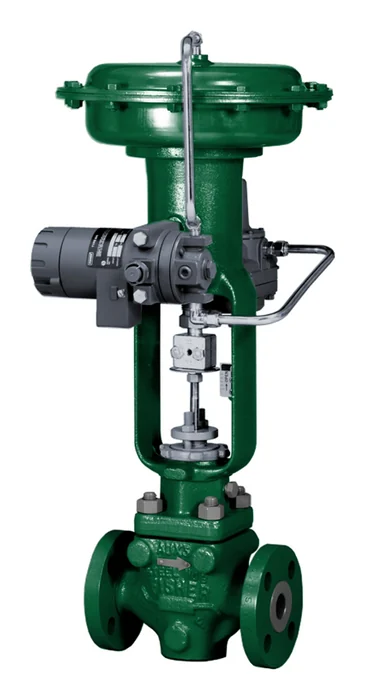
Fisher
646
Converts the 4-20 mA signal into a proportional 0.2 to 1.0 bar (3 to 15 psig) output.
View bulletin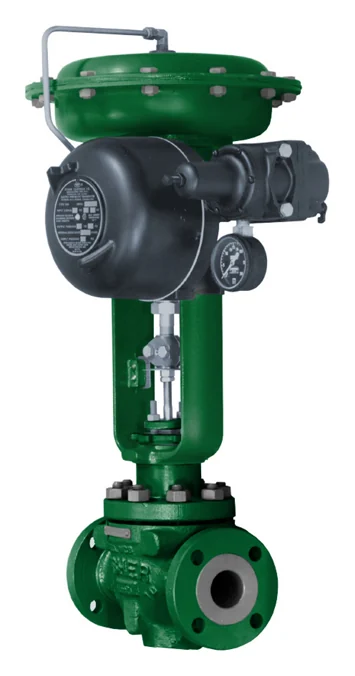
Fisher
546
Torque motor, nozzle-flapper and pneumatic relay to convert the signal.
View bulletinBrand reference models per the manufacturer’s catalog. ITS quotes new valves and genuine parts to order; it does not publish stock or prices.
How it works
The converter module receives the DC current signal from the control device and uses it to operate coils in a force-balanced beam system, which controls bleed air through an integral nozzle and flapper arrangement. Nozzle pressure is the input signal to the relay, and relay output pressure is piped directly to the valve and actuator assembly.
The models differ in how they secure that conversion. The 846 adds electronic feedback that corrects for supply pressure variations and leakage. The i2P-100 separates its parts into dual compartments, with an explosive-fluid seal, and tolerates dirty supply well. The 546 uses a torque motor, a nozzle-flapper and a pneumatic relay.
Converter module that turns the 4-20 mA signal into a proportional 0.2 to 1.0 bar (3 to 15 psig) output.
Rugged, field-mountable transducer with electronic feedback that corrects for supply variations and leakage.
For natural gas service: dual compartments, an explosive-fluid seal and good tolerance to dirty supply.
Torque motor, nozzle-flapper and pneumatic relay to convert the DC signal into a proportional pneumatic output.
Applications
ITS de Venezuela
We quote new Fisher transducers and genuine parts (converter and relay modules, gasket and O-ring kits, gauges and feedback parts), check and calibrate them on the bench in our Puerto Ordaz workshop and verify in the field that output pressure matches the signal. When the loop justifies it, we evaluate replacing the transducer and positioner set with a FIELDVUE digital valve controller. Parts are managed through the Venezuela ↔ Orlando inventory. For a quotation, send the model, the input signal, the output range, the supply medium and pressure and the area classification.
Quote parts or repairPressure, temperature, flow and volume, in the field and in the laboratory.
Repair to the manufacturer’s specification, with bench tests and report.
Configuration, diagnostics and commissioning of controllers and instruments.
Resources
The full category, the technical library and the manufacturer’s official documentation.
Category
Positioners, FIELDVUE digital controllers and valve instruments.
Technical library
Our own documents and official Fisher links for each family.
Manufacturer
Product pages, bulletins and manuals on emerson.com.
It is shorthand for current-to-pressure: the transducer converts the 4-20 mA current signal sent by the control system into a proportional pneumatic pressure, which is the signal the pneumatic actuator or positioner understands.
Not always. The transducer delivers a pressure proportional to the signal and its integral relay can drive the actuator directly, but it does not measure valve position. When friction or process forces prevent that pressure from becoming an exact position, a positioner is added or a digital valve controller is used.
Positioners and instruments
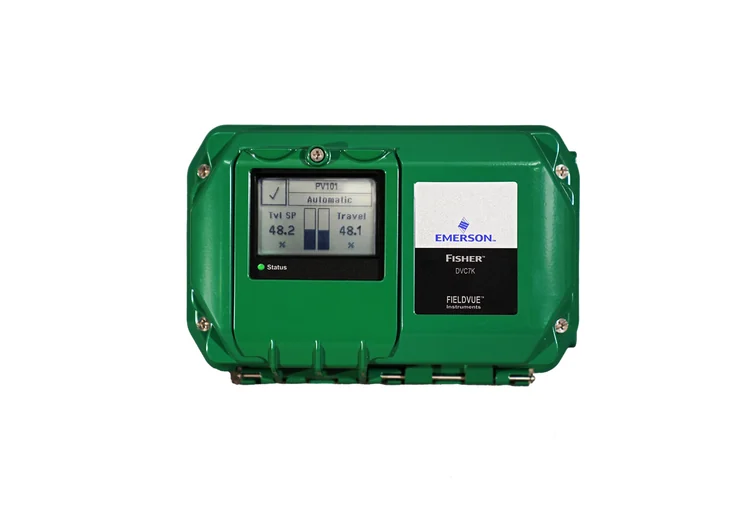
The instrument that positions the valve and also diagnoses it: it evaluates the performance and health of the assembly without shutting down the process.
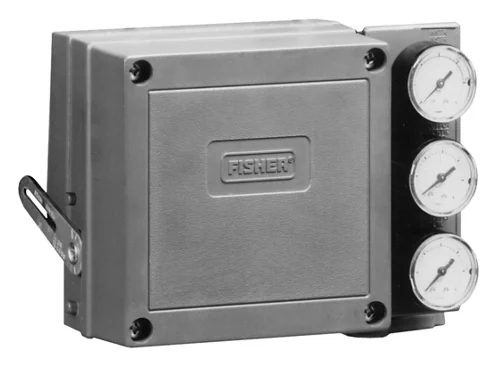
They deliver air to the actuator until stem or shaft position matches the set point, with a pneumatic or 4-20 mA signal.
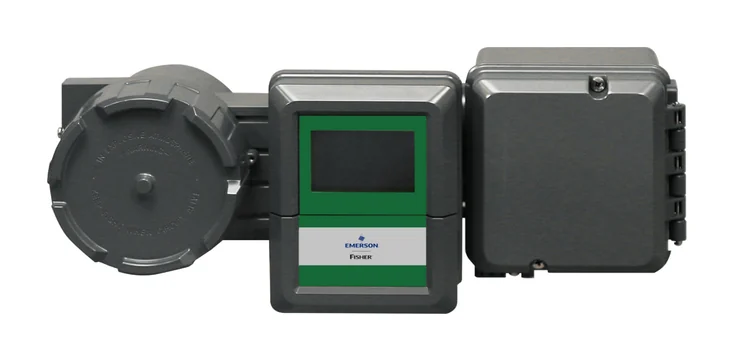
They close the loop in the field: they measure the variable, compare it with the set point and send the corrective signal to the final element.
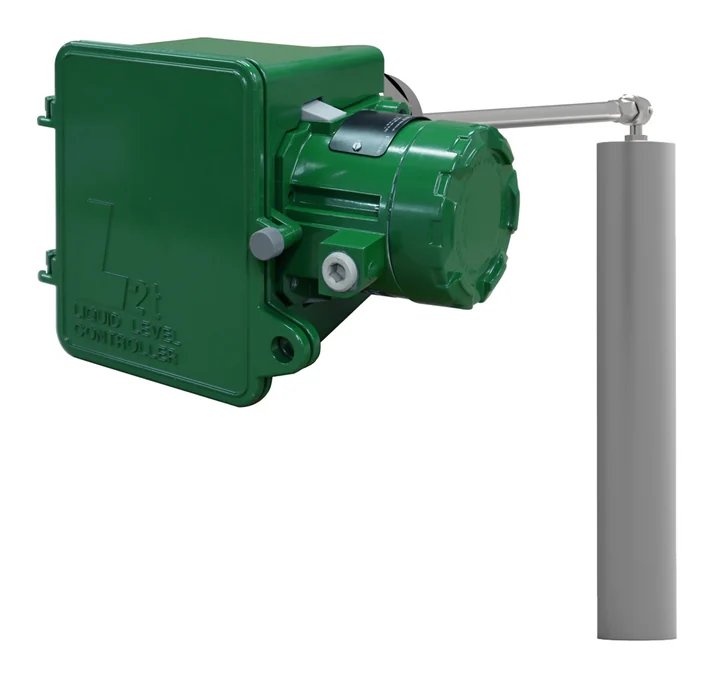
They measure and control liquid level, the interface between two liquids or density with a displacer sensor, in pneumatic, electric or digital versions.
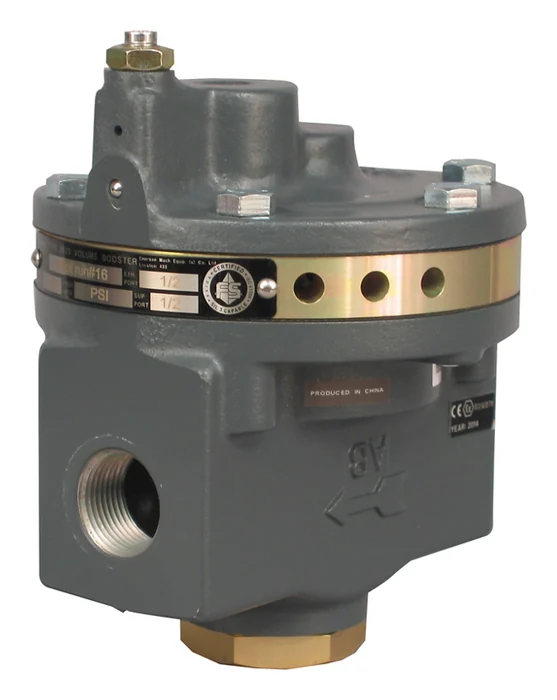
The accessories that complete the assembly: they speed up the stroke, report position, condition the air and define what the valve does if supply fails.
Send the model, the part number or the process data. We reply with availability, lead time and delivery terms.