

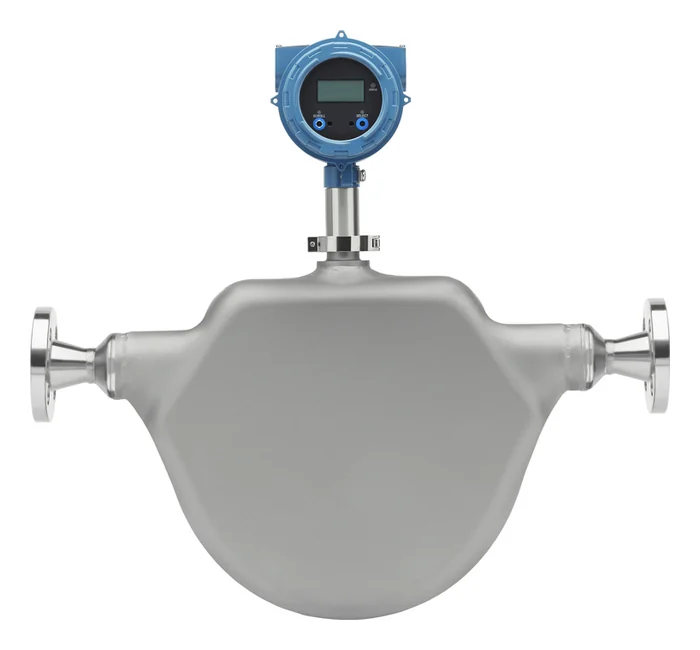
Fisher
CDM
Micro Motion CDM Compact Density Meter
Precision density and temperature for custody transfer and concentration measurement.

Flow · Micro Motion
When the variable is product quality rather than flow: continuous measurement that replaces laboratory sampling.
A process density meter measures the density of a liquid or gas in line and, from it, the concentration of a mixture. A viscosity meter measures the resistance of the fluid to flow, which reveals its composition and quality. Both replace manual sampling.
Micro Motion devices use a tube or a fork that vibrates in contact with the fluid: the frequency changes with density and the damping reflects viscosity. Temperature, measured at the same point, compensates the reading.
Models
Manufacturer reference models for this type. Tell us the exact model or attach the nameplate: scope and availability are confirmed with each quotation.
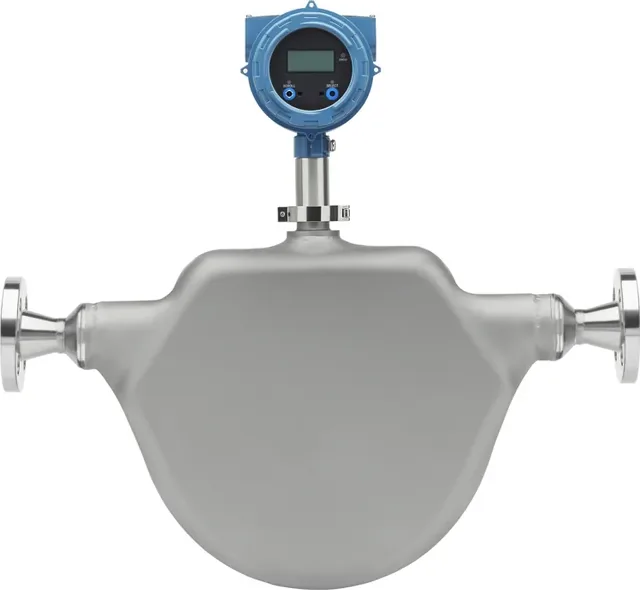
Fisher
CDM
Precision density and temperature for custody transfer and concentration measurement.
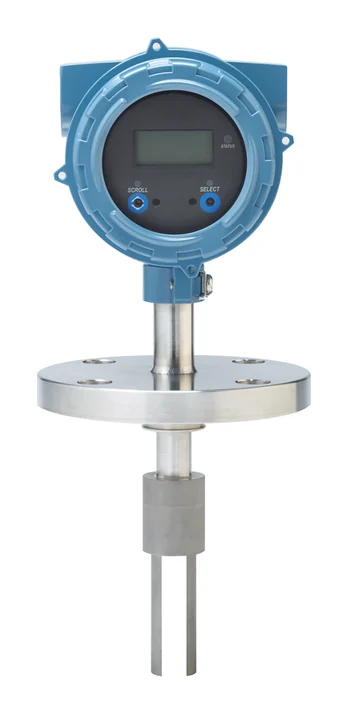
Fisher
FDM
Direct insertion in pipelines, bypass loops and tanks.
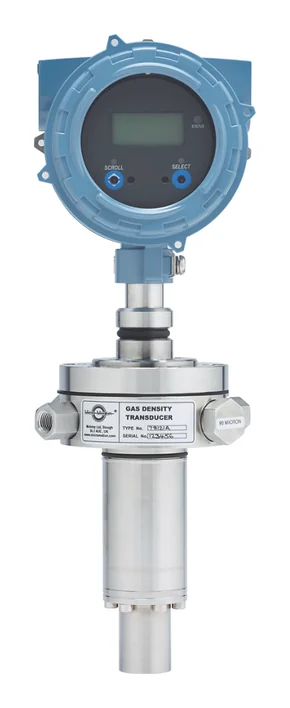
Fisher
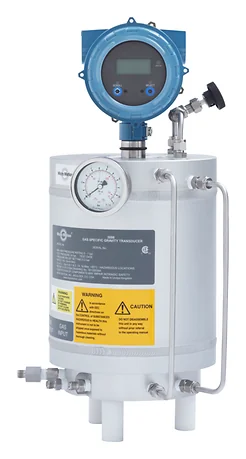
GDM
Gas density for fiscal metering, compliant with AGA 3 and ISO 5167.
Fisher
SGM
Gas specific gravity, molecular weight and relative density, with fast response.
Fisher
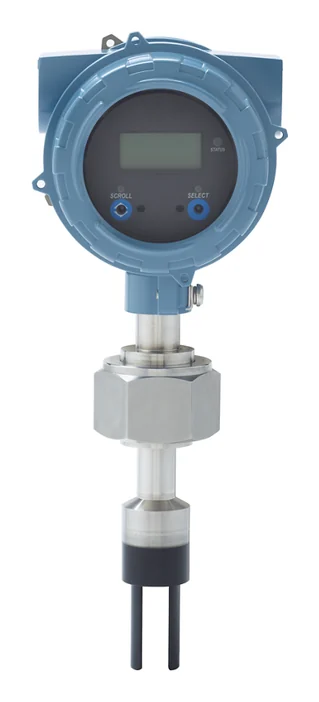
FVM
Viscosity, density and temperature from a single insertion device.
Fisher
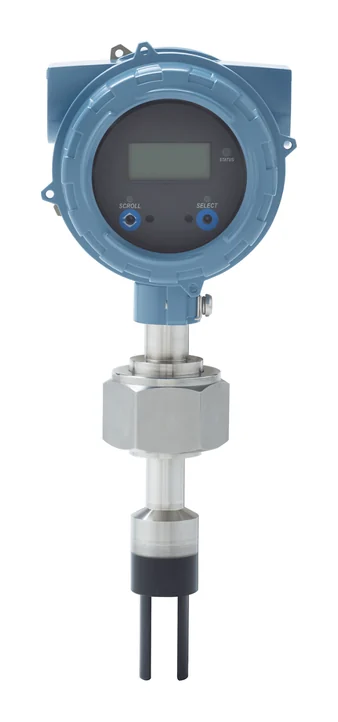
HFVM
For heavy fuel oil control to engines, turbines and burners.
Brand reference models per the manufacturer’s catalog. ITS quotes new valves and genuine parts to order; it does not publish stock or prices.
How it works
In density meters, the fluid surrounds or passes through the vibrating element and changes its resonant frequency: the higher the density, the lower the frequency. In viscosity meters the bandwidth of the resonance is measured, that is, how much the fluid damps the vibration. Neither has moving parts.
They are installed in line, in a bypass loop or directly in a tank, and connect to the control system through standard protocols. Versions with a head-mounted transmitter carry hazardous-area approvals and allow local configuration and display.
For precision density and temperature in custody transfer and concentration measurement, with flow-rate indication to verify sample integrity.
Inserted directly into the pipeline, bypass loop or tank. The FDM measures density and concentration; the FVM and HFVM add viscosity.
Direct, fast-response measurement of gas density for fiscal metering.
Measures specific gravity, molecular weight and relative density, for example hydrogen purity in generator cooling.
Applications
ITS de Venezuela
We quote new Micro Motion density and viscosity meters and their accessories, configure and commission the device in the field, manage its calibration through our calibration service, in the field and in the laboratory, and integrate the signal into the control loop. We reply with availability in Venezuela or Orlando. To quote, send the fluid, the variable you need (density, concentration, specific gravity or viscosity) and its range, operating pressure and temperature, the type of installation (line, bypass or tank) and the output signal.
Quote parts or repairPressure, temperature, flow and volume, in the field and in the laboratory.
On-site support, shutdowns, commissioning and start-up.
Loops, actuation, re-engineering and equipment upgrades.
Resources
The full category, the technical library and the manufacturer’s official documentation.
Category
Coriolis, magnetic, vortex and differential pressure.
Technical library
Our own documents and official Fisher links for each family.
Manufacturer
Product pages, bulletins and manuals on emerson.com.
The CDM is a compact tube density meter designed for the highest precision, such as custody transfer and concentration measurement. The FDM is a direct-insertion fork that offers installation flexibility in pipelines, bypass loops and tanks.
Yes. The FVM fork viscosity meter delivers viscosity, density and temperature continuously, and the HFVM Viscomaster targets heavy fuel oil control in marine and power applications.
Flow
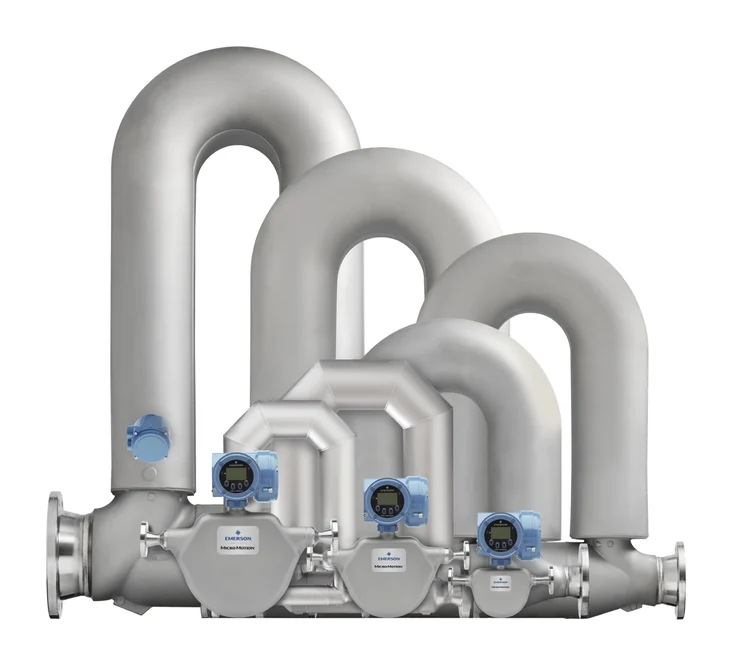
Direct mass flow, with density and temperature from the same device, for liquids, gases and slurries.
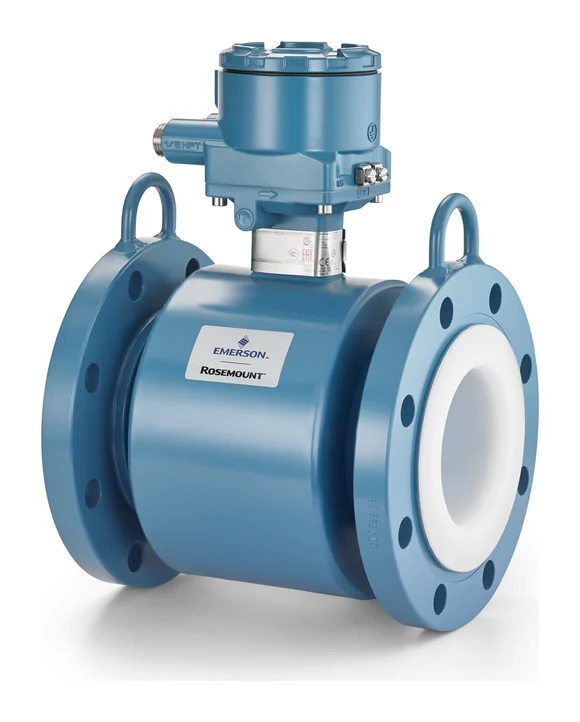
Volume flow in conductive liquids and slurries, with a full bore and no moving parts.
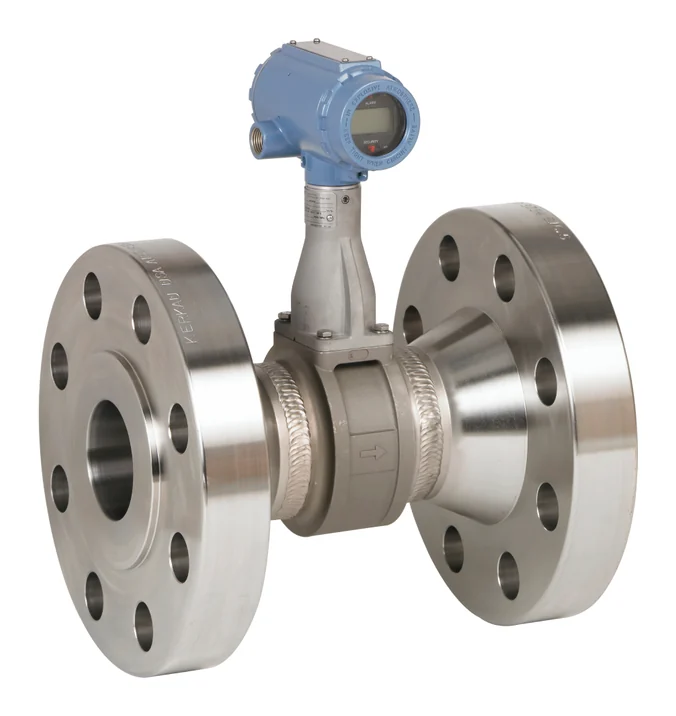
One meter for liquids, gases and steam, with no moving parts and no impulse lines.
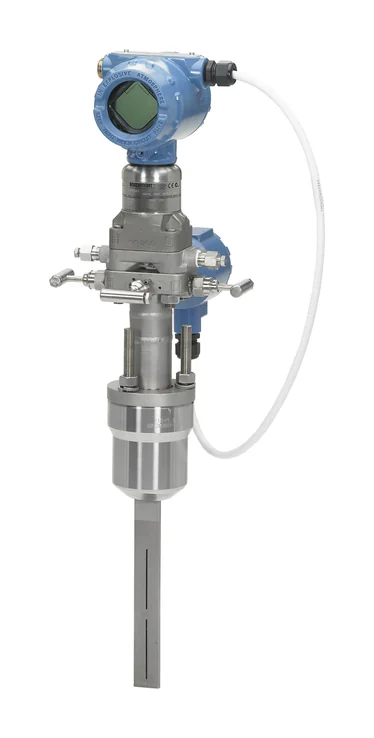
Annubar, compact and integral orifice, and orifice plates: standardized measurement for gas, liquid and steam.
Send the model, the part number or the process data. We reply with availability, lead time and delivery terms.